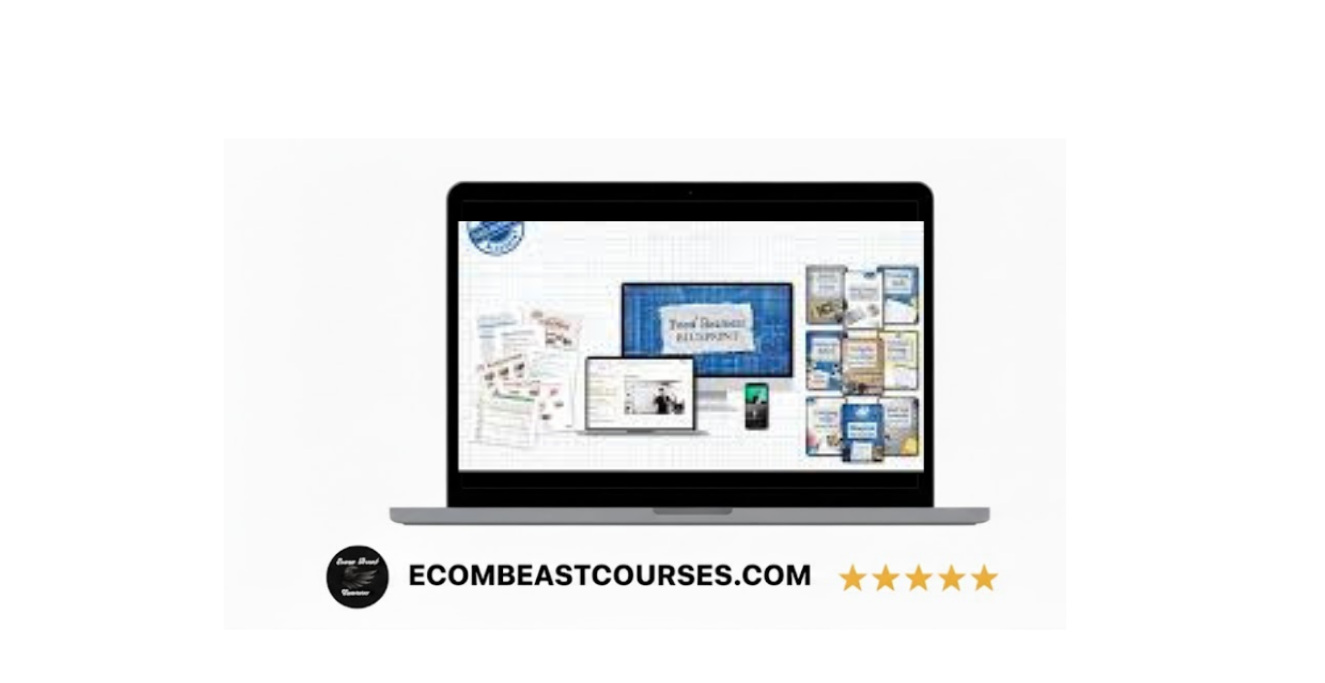
Eric Glandian – Food Business Blueprint: The Ultimate Guide to Building a Profitable Food Brand
Introduction
The food industry is one of the most competitive yet rewarding business landscapes in the world. From small home kitchens to global restaurant chains, success depends on more than just great recipes—it requires strategy, systems, and scalability. This is where Eric Glandian – Food Business Blueprint becomes a powerful framework for aspiring and established entrepreneurs.
Developed by Eric Glandian, this blueprint is designed to help individuals transform food ideas into structured, profitable, and scalable businesses. Whether you’re starting a cloud kitchen, launching a packaged food brand, or growing a restaurant, understanding the principles behind this blueprint can dramatically increase your chances of success.
Understanding the Food Business Blueprint
The Food Business Blueprint is more than a course or strategy—it’s a complete roadmap for building a sustainable food business from the ground up. It focuses on combining culinary creativity with operational excellence and smart business systems.
Instead of relying on guesswork, the blueprint introduces a structured methodology that helps entrepreneurs:
- Validate food business ideas
- Build profitable menus
- Design efficient kitchen operations
- Create strong branding
- Scale revenue streams
This approach ensures that your business is not just functional but optimized for long-term growth.
Core Principles Behind the Blueprint
1. Idea Validation and Market Research
One of the biggest mistakes new entrepreneurs make is launching without proper validation. The Eric Glandian – Food Business Blueprint emphasizes understanding your market before investing time and money.
Key strategies include:
- Identifying customer demand
- Analyzing competitors
- Testing menu items with small audiences
- Pricing based on value and cost
This ensures your concept has real potential before scaling.
2. Menu Engineering for Profitability
Your menu is your most powerful sales tool. The blueprint teaches how to design menus that maximize profit while maintaining customer satisfaction.
Key elements include:
- High-margin item selection
- Cost control and portion optimization
- Strategic pricing psychology
- Menu layout and visual appeal
By applying these principles, businesses can significantly improve their profit margins.
3. Building Efficient Operations
Operational efficiency is the backbone of any successful food business. The Food Business Blueprint framework focuses heavily on creating streamlined workflows.
This includes:
- Kitchen layout optimization
- Inventory management systems
- Staff roles and responsibilities
- Standard operating procedures (SOPs)
Efficient operations reduce waste, save time, and improve consistency.
4. Branding and Customer Experience
In today’s digital-first world, branding plays a crucial role. The blueprint highlights how to create a strong identity that resonates with customers.
Important aspects include:
- Brand positioning and storytelling
- Packaging design
- Social media presence
- Customer engagement strategies
A strong brand not only attracts customers but also builds loyalty and repeat business.
5. Marketing and Growth Strategy
No food business can succeed without visibility. The Eric Glandian – Food Business Blueprint provides actionable marketing strategies tailored for the food industry.
These include:
- Local SEO and Google visibility
- Social media marketing (Instagram, reels, food content)
- Influencer collaborations
- Online delivery platform optimization
These strategies help businesses attract consistent traffic and increase sales.
Step-by-Step Implementation Guide
Step 1: Define Your Concept
Start by identifying your niche:
- Cloud kitchen
- Street food brand
- Restaurant or café
- Packaged food business
Your concept should align with market demand and your strengths.
Step 2: Validate and Test
Before scaling, test your idea:
- Launch a small menu
- Gather customer feedback
- Analyze sales data
- Adjust pricing and offerings
This step minimizes risk and ensures product-market fit.
Step 3: Build Systems and Processes
Once validated, create structured systems:
- SOPs for cooking and service
- Inventory tracking
- Staff training modules
- Quality control measures
Systems allow your business to operate smoothly even as it grows.
Step 4: Launch and Market
Use a multi-channel marketing approach:
- Social media campaigns
- Local ads and promotions
- Food delivery apps
- Customer referral programs
Consistency in marketing is key to building momentum.
Step 5: Scale and Optimize
After achieving stability:
- Expand menu offerings
- Open new locations or kitchens
- Introduce packaged products
- Automate repetitive processes
Scaling becomes easier when your foundation is strong.
Benefits of Following the Blueprint
Implementing the Food Business Blueprint methodology provides several advantages:
- Reduced Risk: Validate before investing heavily
- Higher Profit Margins: Smart pricing and cost control
- Operational Clarity: Defined systems and workflows
- Brand Strength: Strong identity and customer loyalty
- Scalability: Easy expansion through structured processes
These benefits make it an essential framework for anyone serious about the food industry.
Real-World Applications
The Eric Glandian – Food Business Blueprint can be applied across multiple business models:
Cloud Kitchens
Low investment, high scalability, and delivery-focused operations.
Restaurants & Cafés
Full-service experiences with branding and ambiance.
Home-Based Food Businesses
Ideal for beginners starting small with minimal investment.
Packaged Food Brands
Selling products through retail or online channels.
Each model benefits from the structured approach of the blueprint.
Common Challenges and Solutions
Challenge 1: High Competition
Solution: Focus on niche positioning and unique branding.
Challenge 2: Low Profit Margins
Solution: Apply menu engineering and cost optimization techniques.
Challenge 3: Inconsistent Quality
Solution: Implement SOPs and staff training systems.
Challenge 4: Lack of Customers
Solution: Invest in digital marketing and local SEO strategies.
Challenge 5: Scaling Issues
Solution: Build systems before expanding operations.
Building a Long-Term Food Business
Sustainability is key. The blueprint emphasizes long-term thinking:
- Focus on customer retention
- Maintain quality consistency
- Continuously innovate menu offerings
- Monitor financial performance
- Adapt to market trends
A successful food business evolves with time while staying true to its core identity.
Future of Food Businesses
The food industry is rapidly changing with trends like:
- Online food delivery growth
- Cloud kitchens expansion
- Health-conscious menus
- Sustainable packaging
- AI-driven operations
The Food Business Blueprint prepares entrepreneurs to adapt to these trends and stay competitive.
Conclusion
Building a successful food business requires more than passion—it demands structure, strategy, and execution. The Eric Glandian – Food Business Blueprint provides a comprehensive roadmap for turning ideas into profitable ventures.
From idea validation to scaling operations, this framework equips entrepreneurs with the tools needed to succeed in a competitive industry. By focusing on systems, branding, and continuous improvement, anyone can build a sustainable and thriving food business.
If you’re serious about entering or growing in the food industry, adopting this blueprint could be your most important step toward success.




Reviews
There are no reviews yet.